Peterhead Prison Museum: A Guided Tour
A tour of Scotland's only 'convict prison' and the location of a prison riot-turned-siege that was broadcast across the world in 1987.
3/2/20264 min read


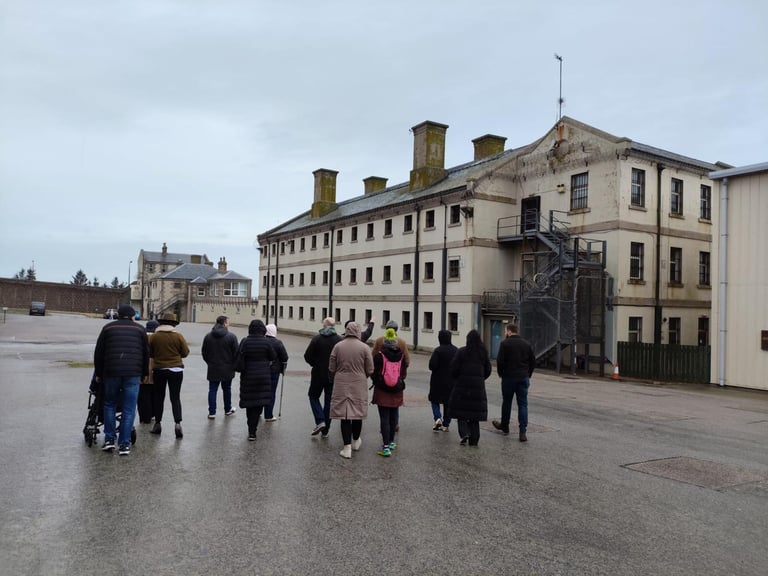
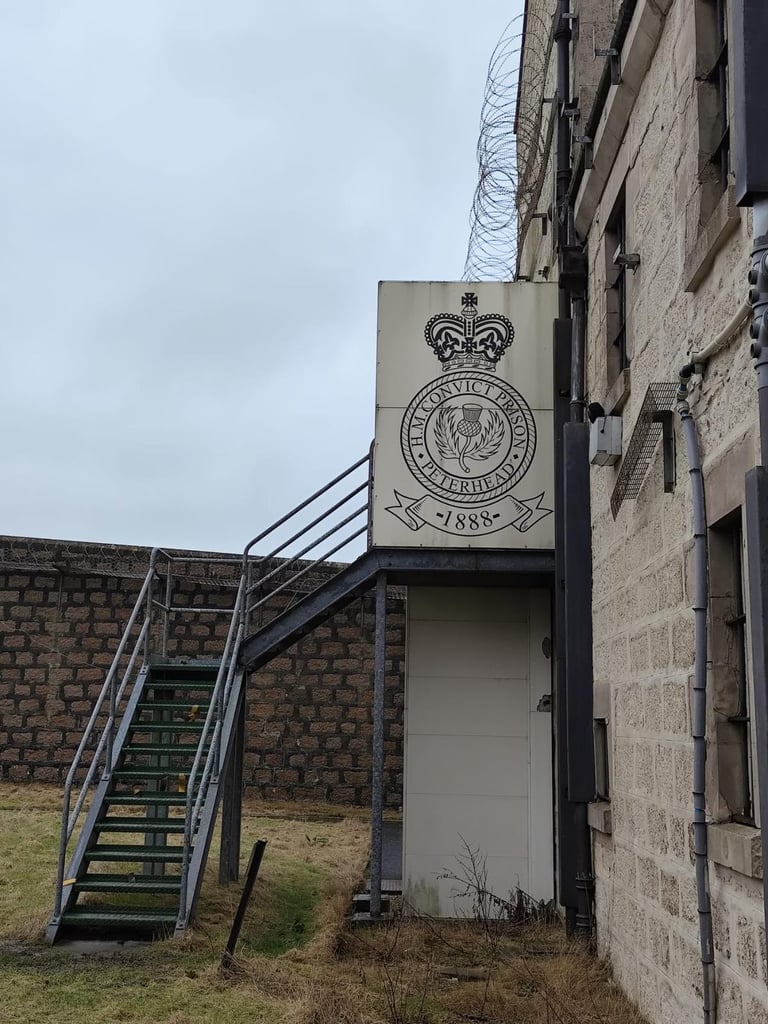
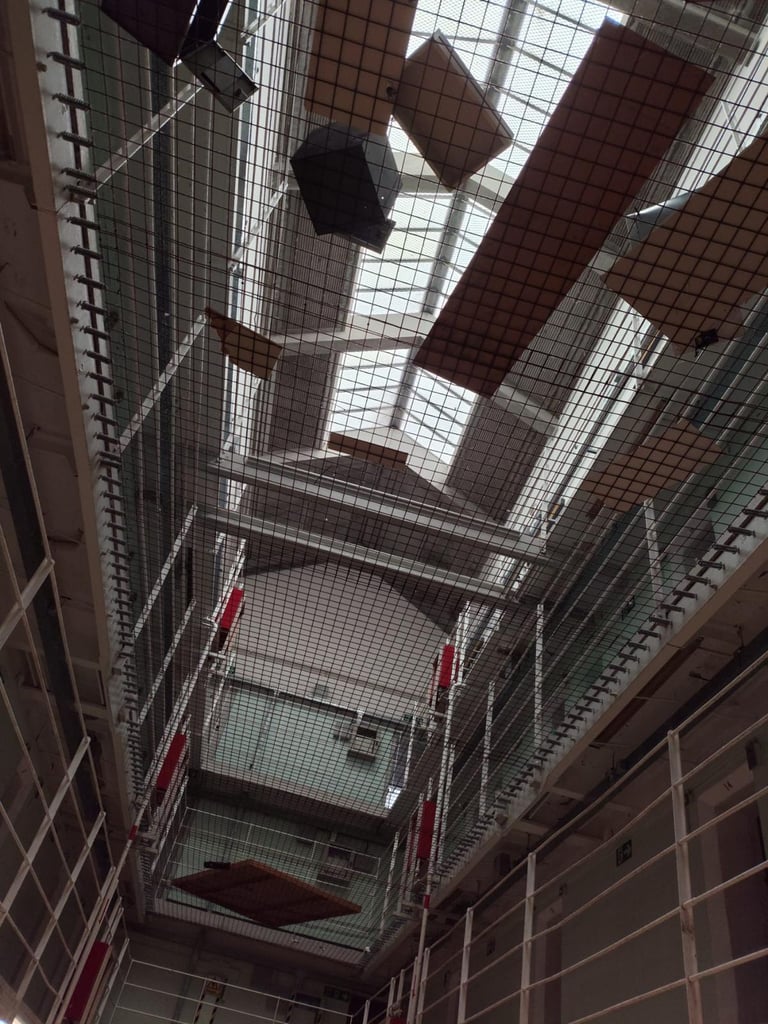
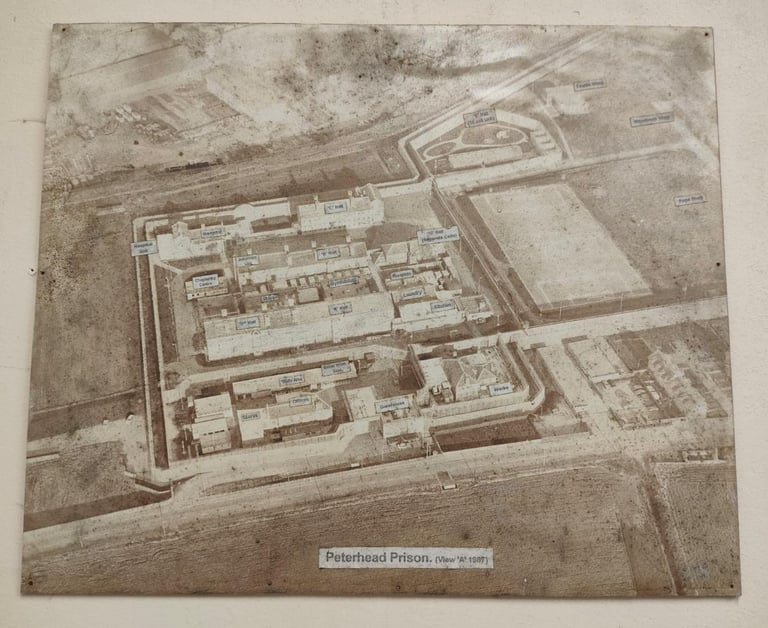
In 1888 Peterhead Prison was Scotland's only 'convict prison' meaning it housed those inmates who were sentenced to hard labour – officially entitled 'penal servitude' – until the practice was banned by an act of parliament in 1956, just as the harbour the convicts were quarrying for was completed – very convenient… Following this change in government policy Peterhead Prison became Scotland’s high-security prison, housing long-term inmates until its eventual closure at the end of 2013.
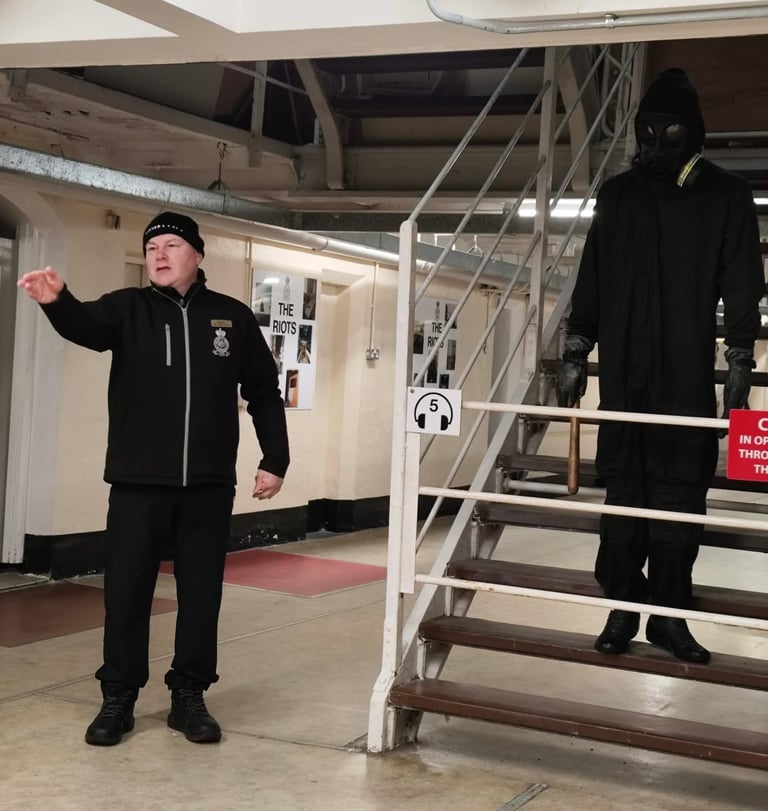
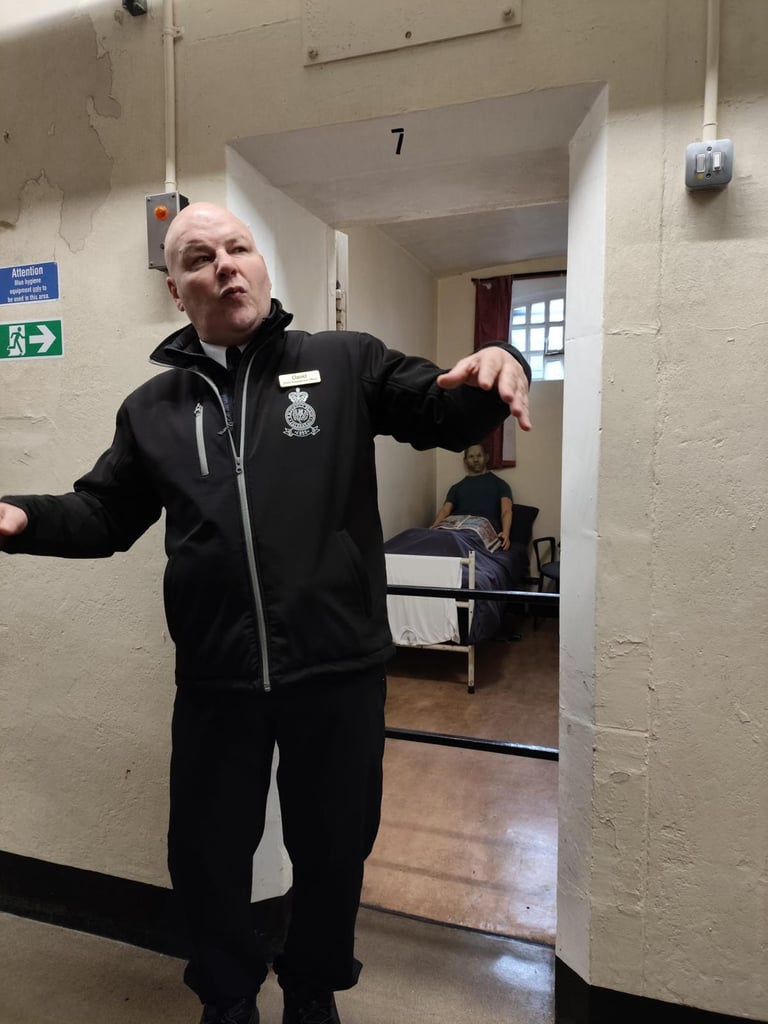
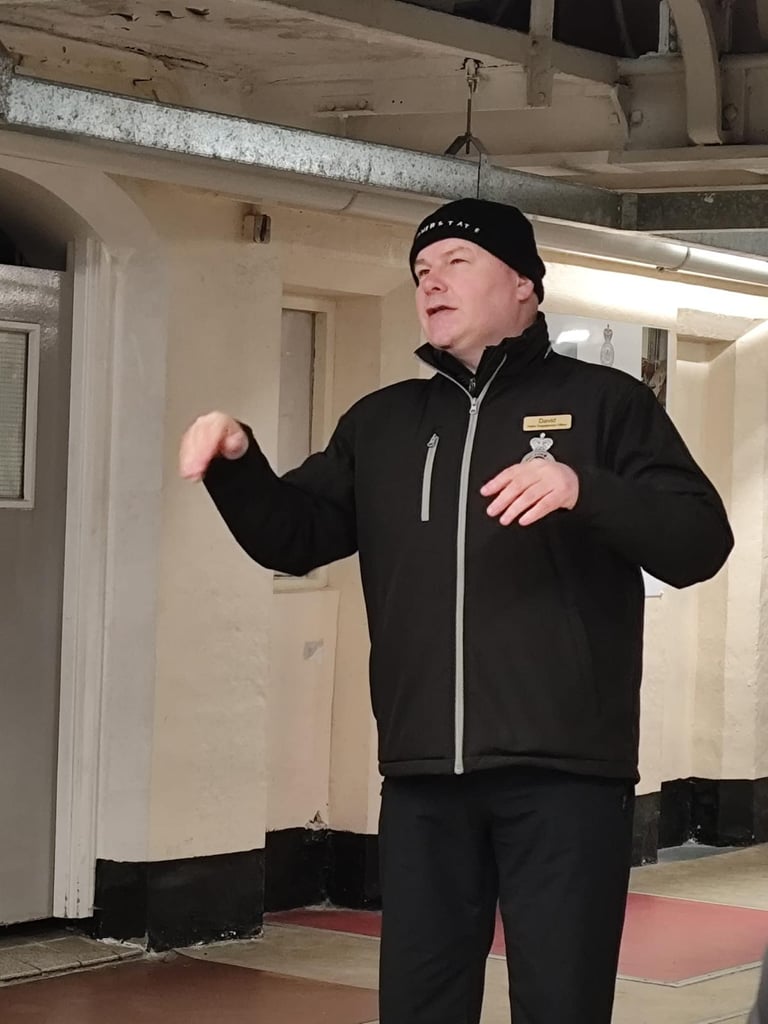
Our guide (David Smith) worked in the prison during the 1990s and 2000s and has a great sense of humour – which probably helped given his career; I’d assume it’s better to be able to banter with the inmates and develop a raport then take yourself too seriously and gain animosity. As he had worked in the various prison blocks David not only gave us an informative tour but one peppered with personal anecdotes which made the experience some levity that would have likely been missing otherwise given the subject matter.
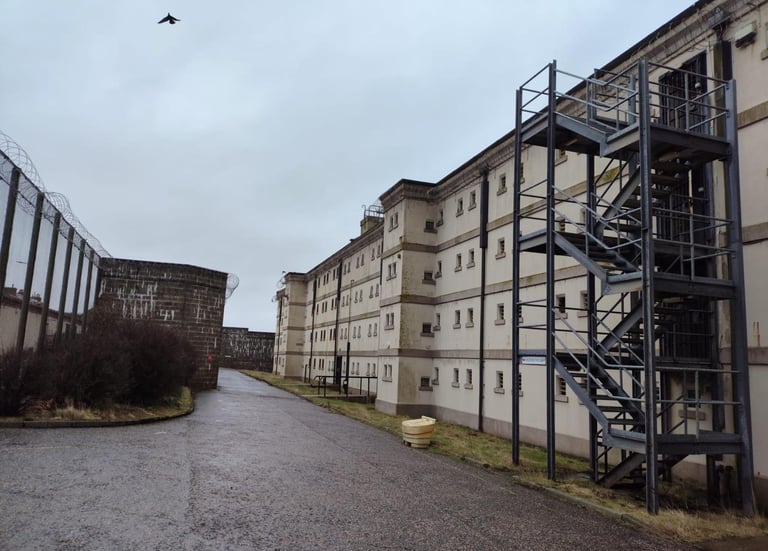
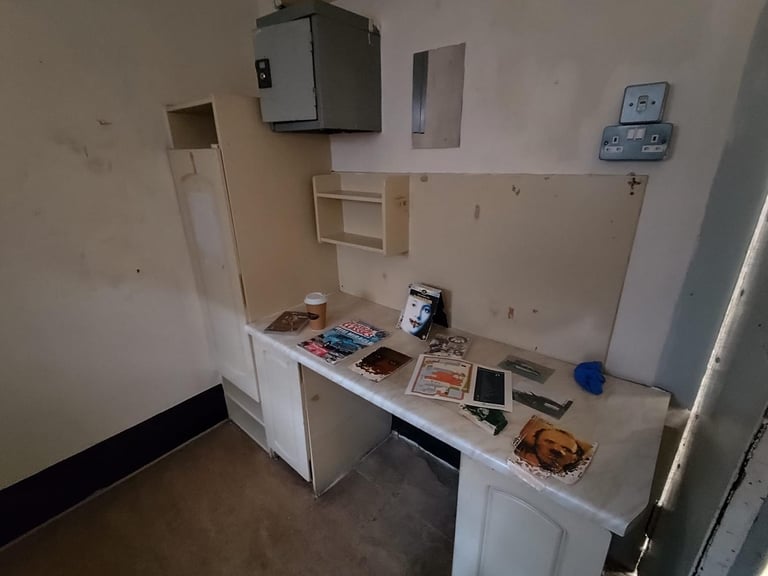
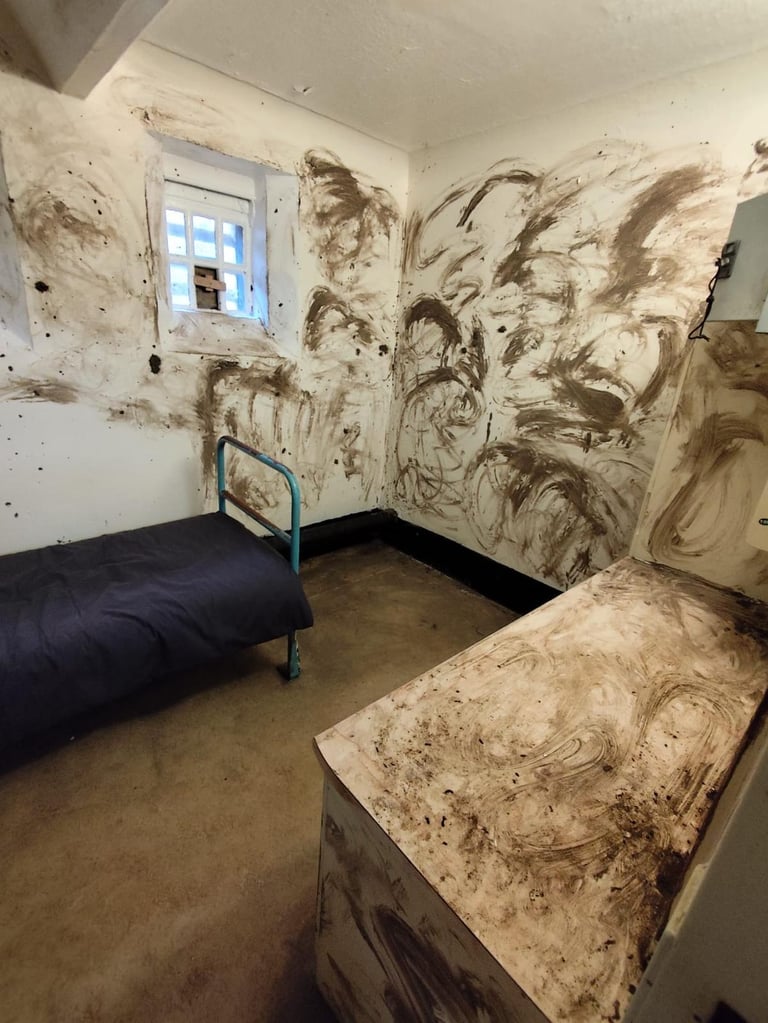
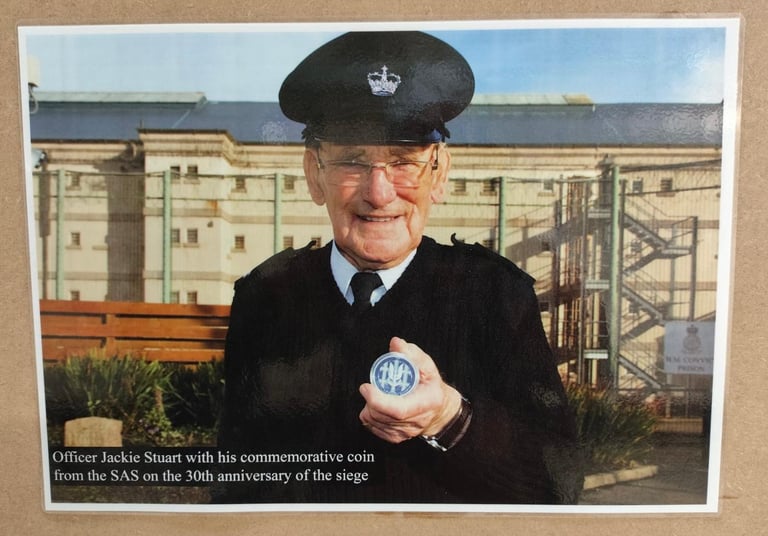
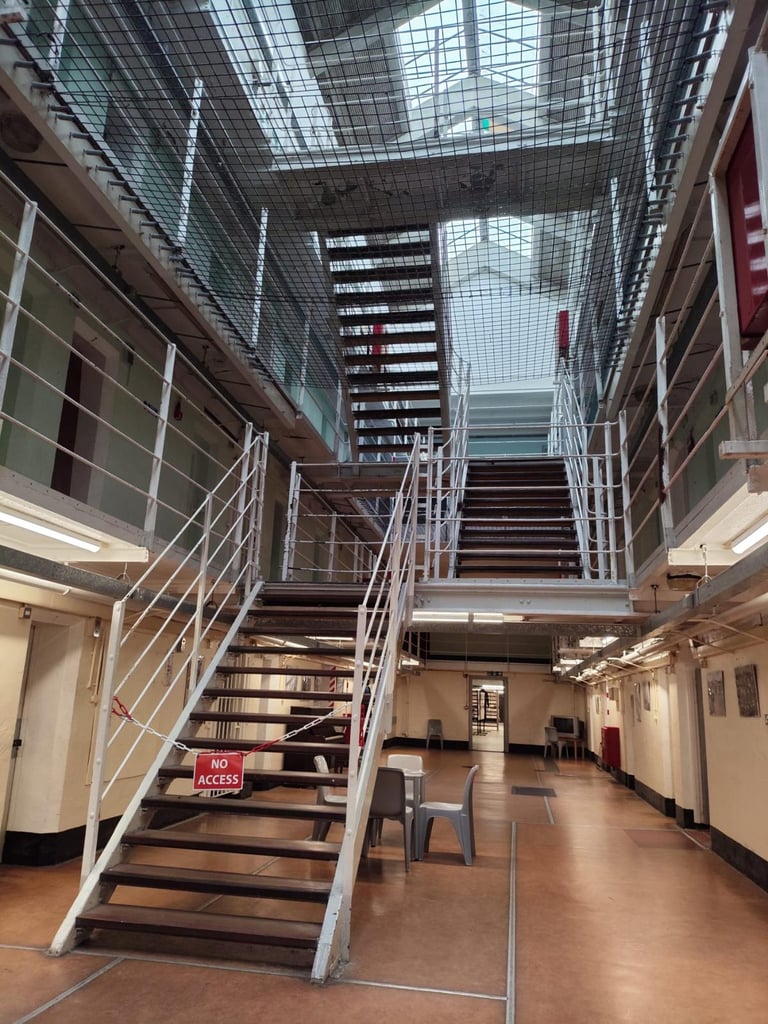
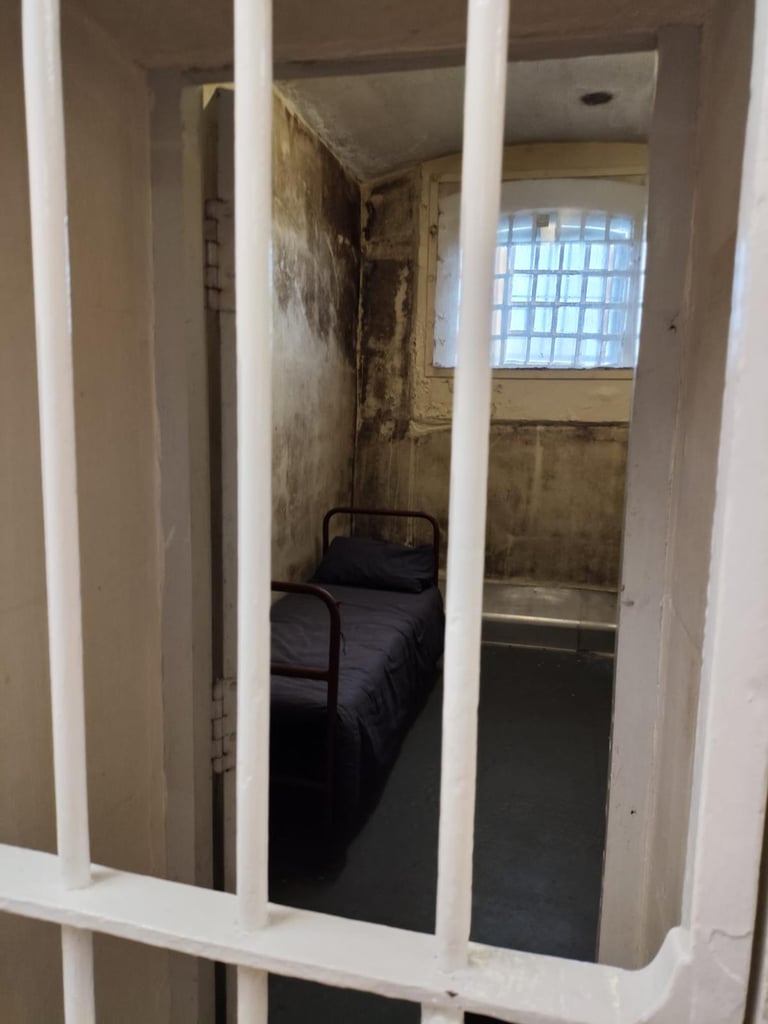
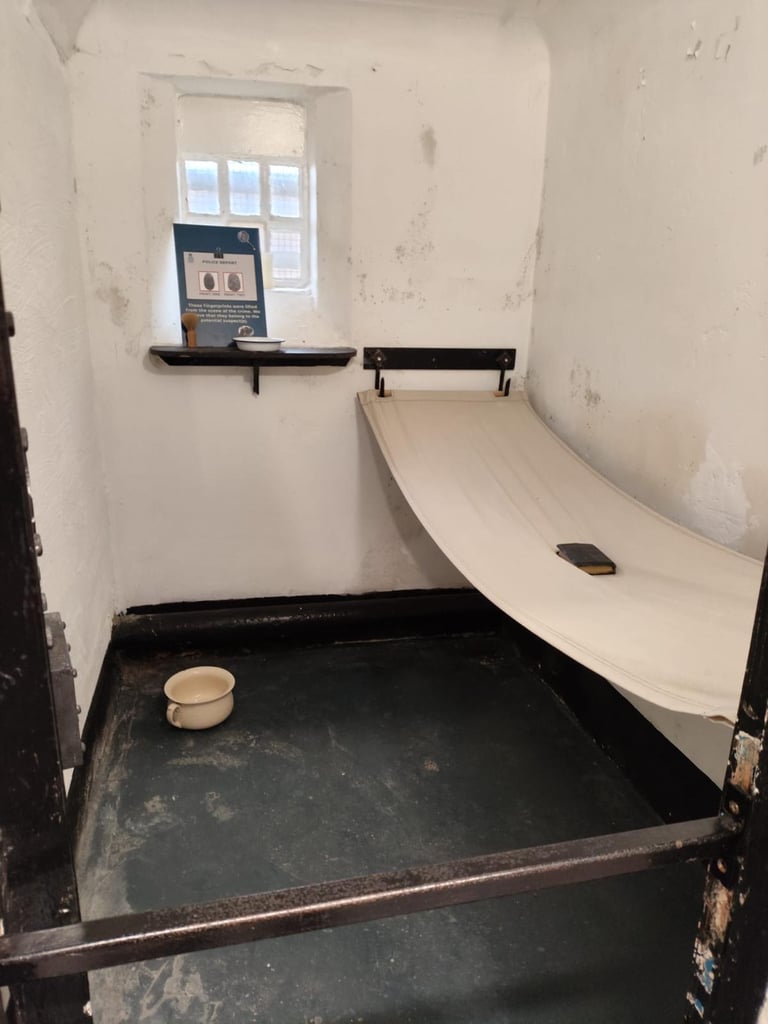
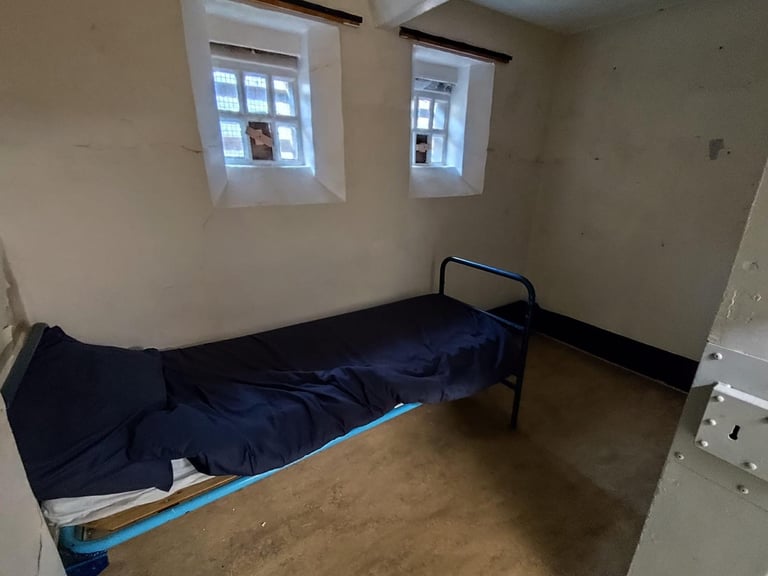
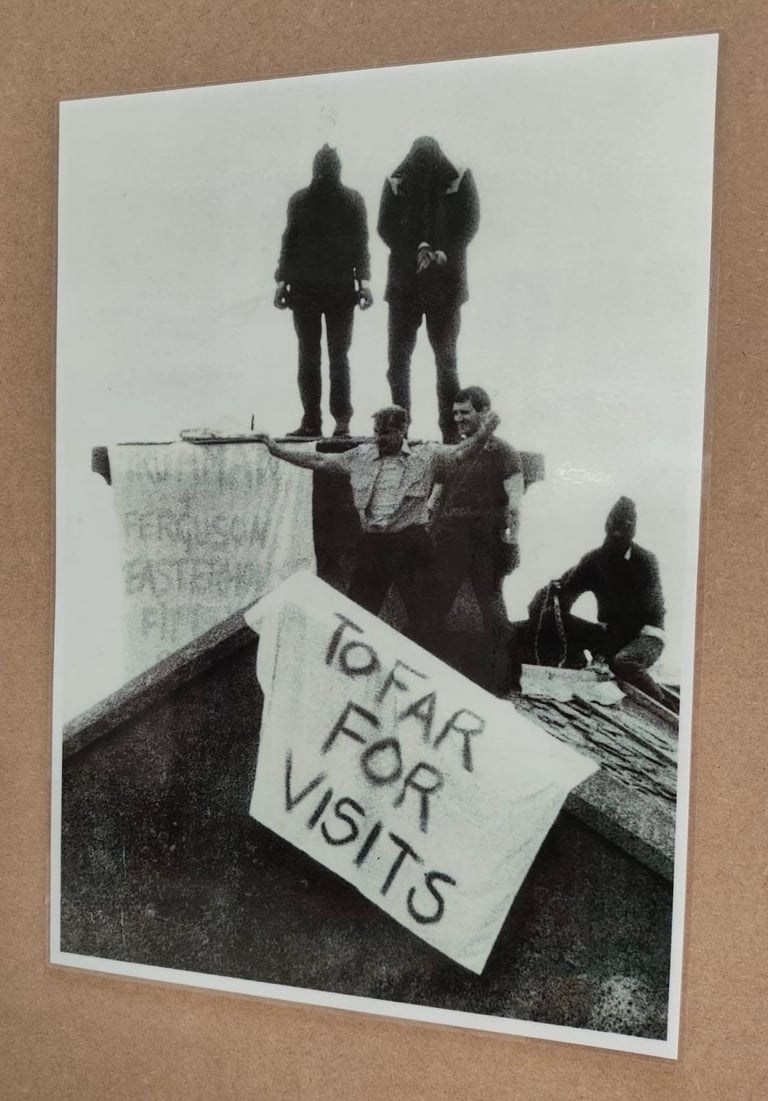
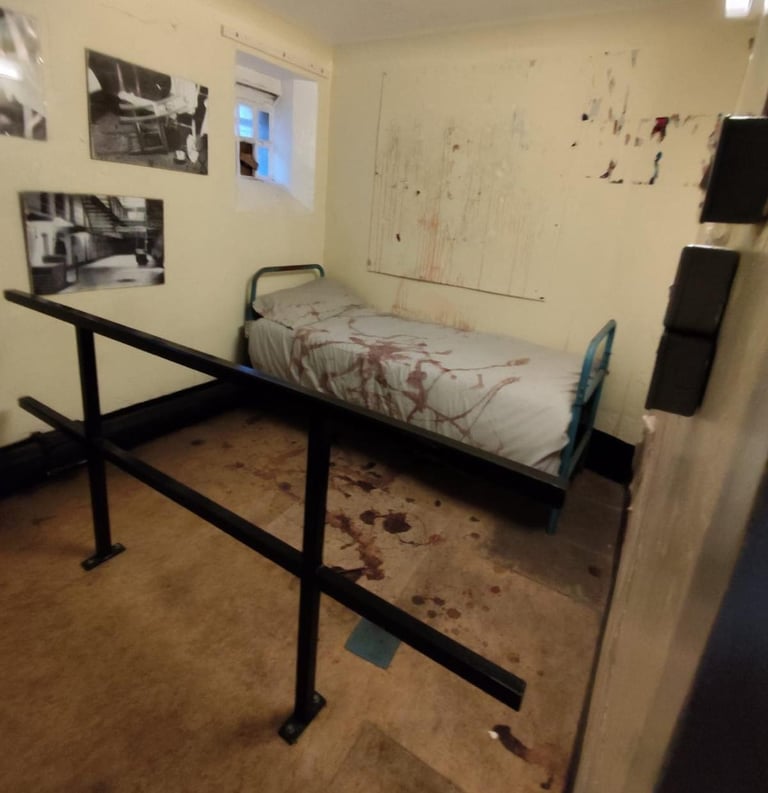
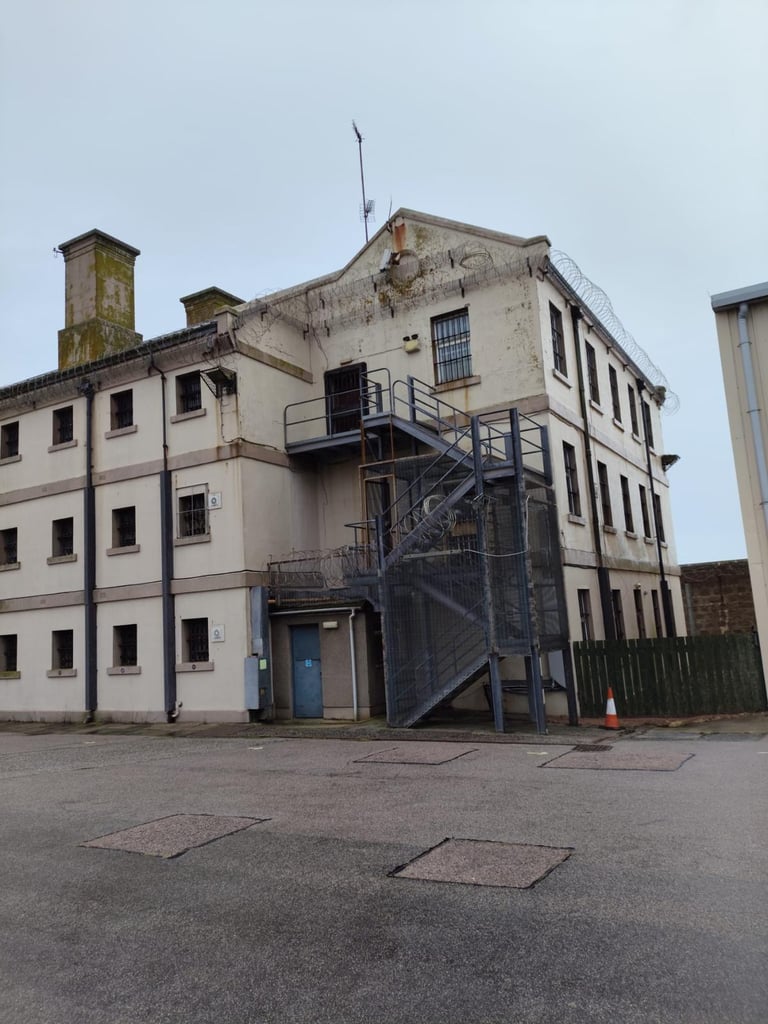
In Delta block we learned about the history of the building; the original cells were extremely small, with only a hammock on one side and a chamber pot on the other. Later on in the prison’s life a wall of each cell was knocked through, doubling it in size and furnishing them with proper beds, a wardrobe and a desk. One of the cells is made up to demonstrate the 'dirty protest' and another shows a mannequin prisoner having barricaded himself in. We also learned a bit about the siege of 1987 when prison warden Jackie Stuart was taken hostage by prisoners and threatened with immolation at age 57 – the fact he then returned to his post at Peterhead after this is rather astounding.
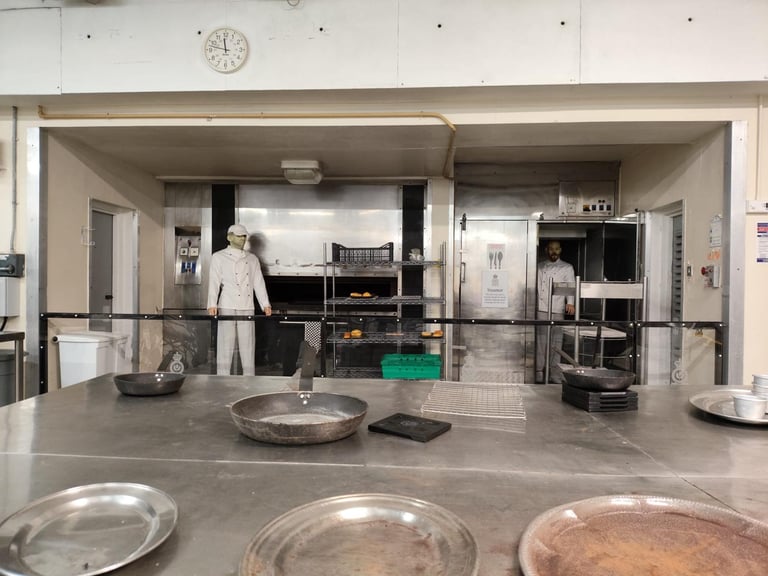
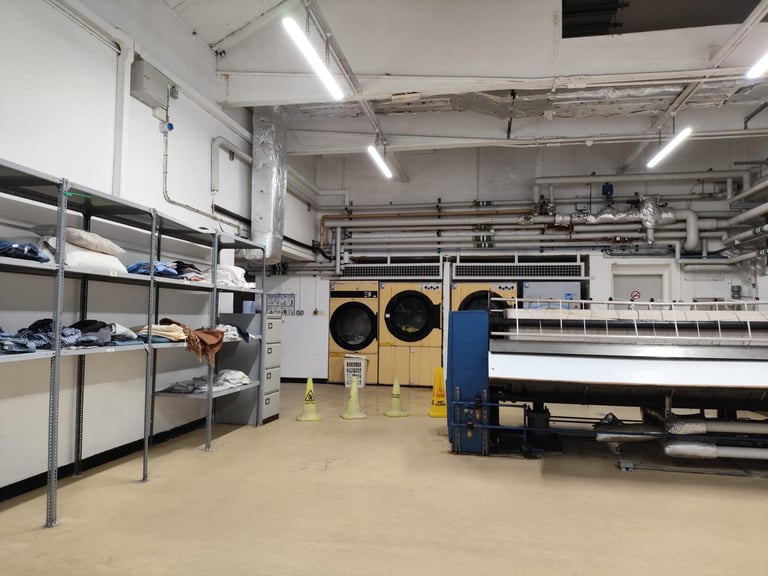
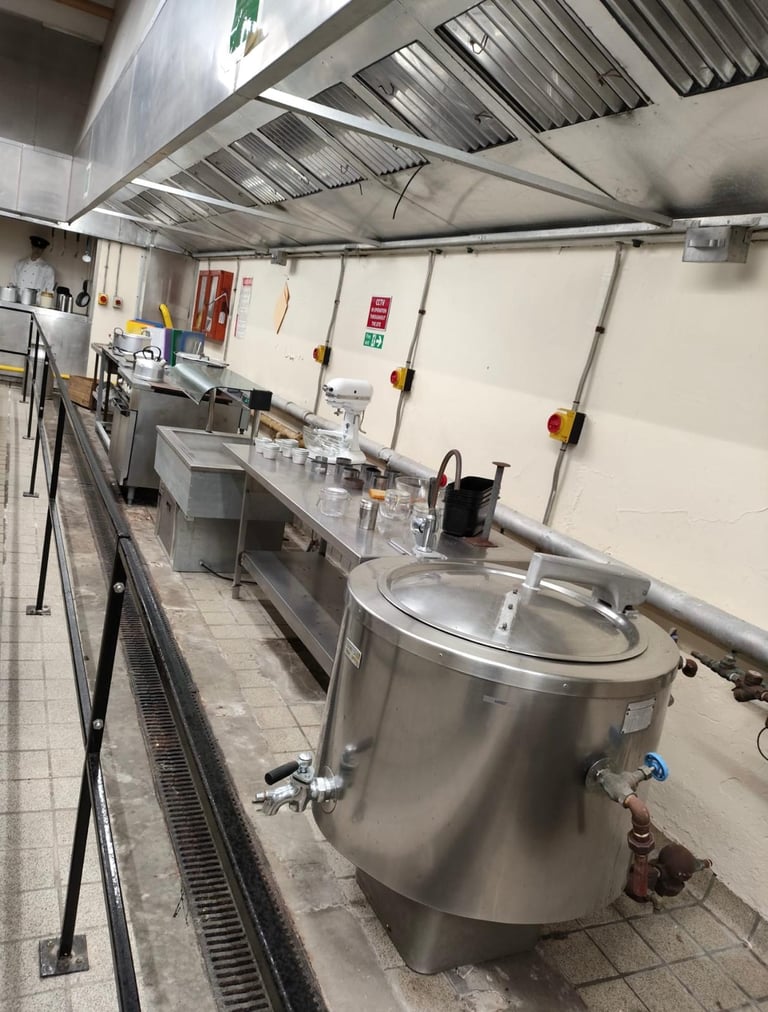
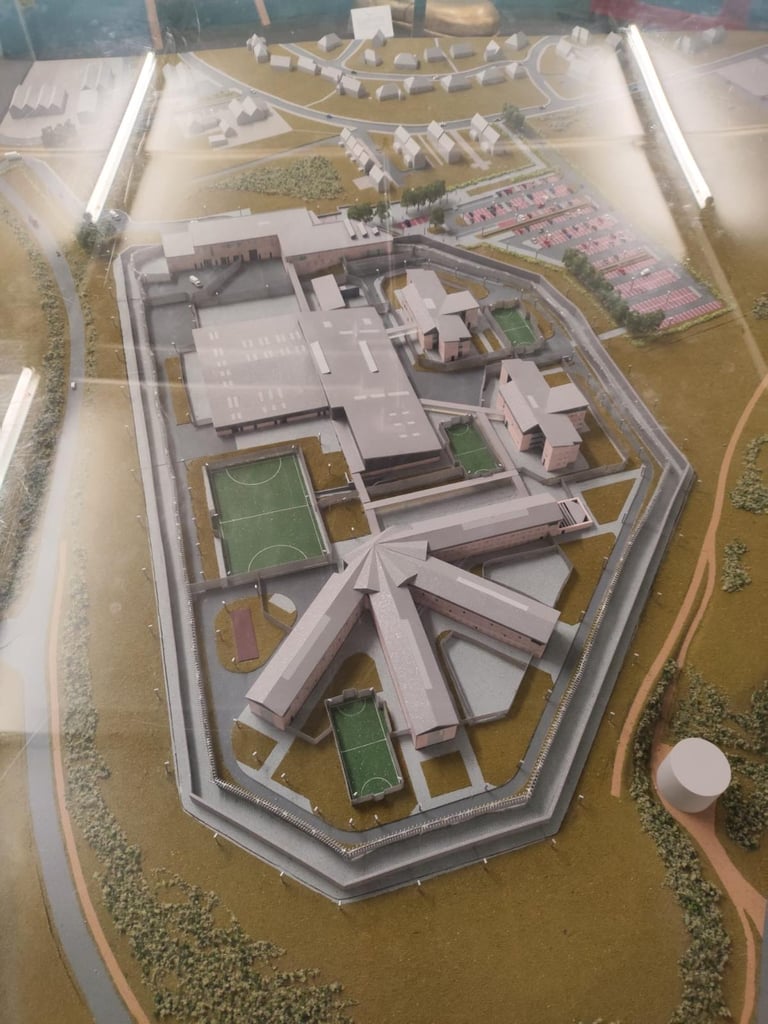
We were shown the prison kitchens and laundrette, leaned about the differences in wages inmates received depending on where they worked as well as stepping into what was the education centre, which now displays various sculptures and paintings made by prisoners in the prison craft room, and a model of the new prison next door (in case you think you’ll need to plan an escape!).
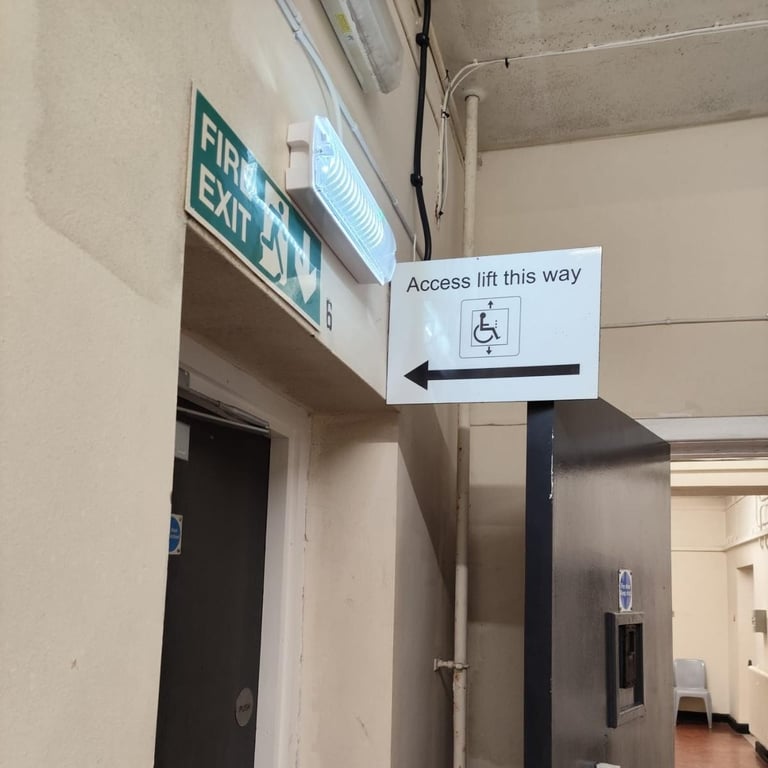
The museum is advertised as fully wheelchair accessible and there is a lift for the upper hospital and café, however it was not in use during my visit and this information was not made available online prior to arriving nor at reception and was only mentioned by our guide when we reached that part of the tour – luckily I was able to do the stairs that day… While the majority of the tour is on the ground floor of the prison blocks there is the occasional ‘lip’ between one room and the next as well as a couple of sections with two or three steps between them. Now I could not see another way or a portable ramp nearby however there must be some alternative route as David made sure to ask if those with restricted mobility were able to handle these (and he did so at each instance in case it built up to be too much rather then asking once and being done with it) and alluded to a different way to get to the next section which seemed to involve going back the way we came (this would definitely add distance and time and therefore eat into the tour and likely lead to less stories overall).
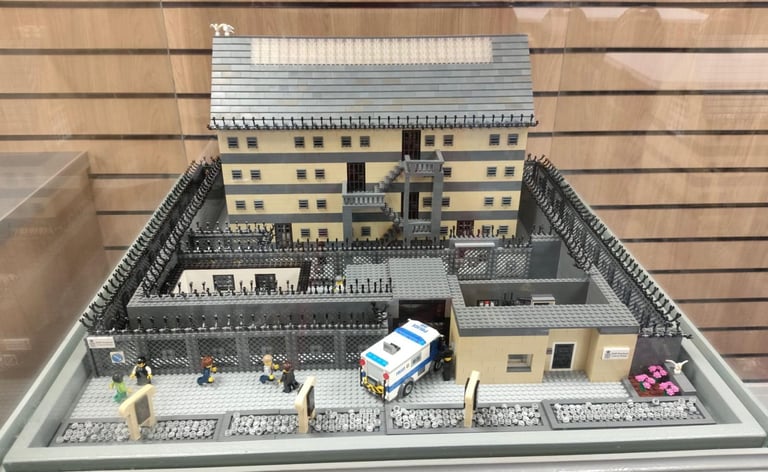
The museum has a small café located upstairs in the hospital building at the end of the tour. This does mean that if you arrive earlier than expected it’s unlikely you’d be able to go and grab a drink or piece and a sit down before your tour starts. Instead there is a small seating area just off from the reception desk or you can go sit in the education centre where the tour will start – this is also where there is a wonderful LEGO model of the prison built by Christine Aird.
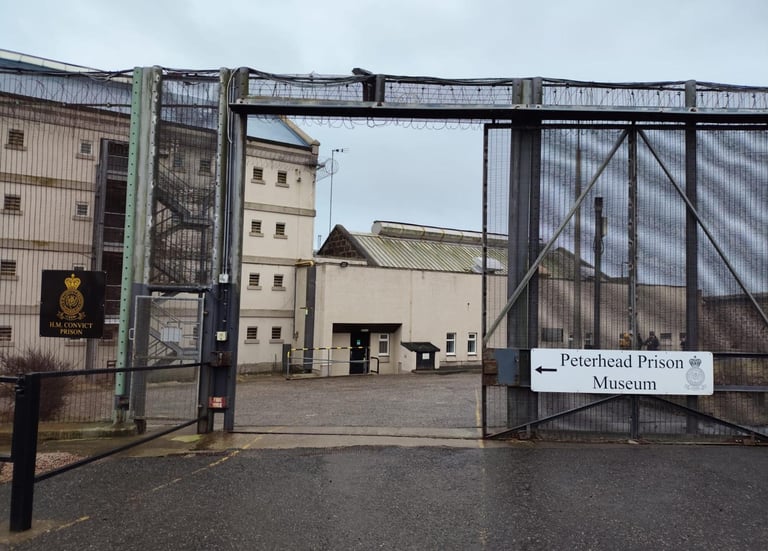
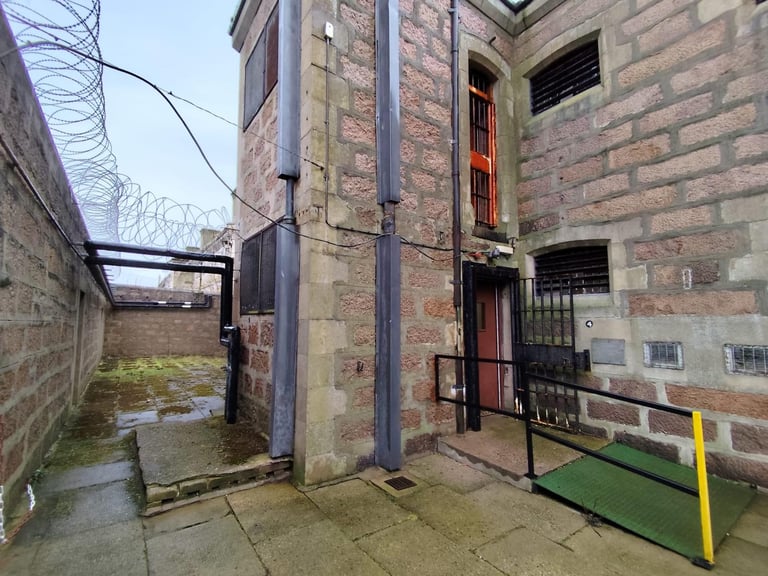
Reaching the museum without a disabled blue badge could become a challenge for those in wheelchairs or with wider-then-standard walkers. Badge holders can park right by the reception’s doors while everyone else parks in the lot alongside the prison with a short walk to get to the doors. tThere is a slight hill and dip and a short section of this path is a narrow walkway with prison wall on one side and a hand rail on the other, this is where a wide mobility device might get stuck – as it is my walker just about managed to fit – if you cannot fit in this path you will have to take a longer route circling round the carpark along the main road instead. There are fully accessible toilets both in the reception building and by the café. There are no toilets for use within the prison buildings.
Peterhead Prison opened as a museum in 2016 and it’s certainly makes for a unique day trip – included in your ticket is entry to the Lifeboat Museum (situated on the grounds) and you can go back through the prison blocks at your own pace at no extra cost after your guided tour ends – in fact your guide might even point out bits and pieces that had to be glossed over due to time constraints for you to go back to. While there is a self-guided tour (with audio packs) at a lower price I would most definitely recommend taking the guided tour first for those personal touches and – if you get a guide like David – plenty of laughs! Be warned though there isn't really heating in the prison so be sure to layer up, especially if you're visiting in the colder months or are particularly sensitive to colder temperatures like me.
Accessibility
per Mobility Device
Stick / Crutches:
Walkers:
Wheelchairs:
Powerchairs:
Yes
Yes
Yes
Yes
I fully intend to return to Peterhead Prison Museum for the self-guided tour and a look at the lifeboat museum next time I’m in the area (when it's warmer).